Introduction
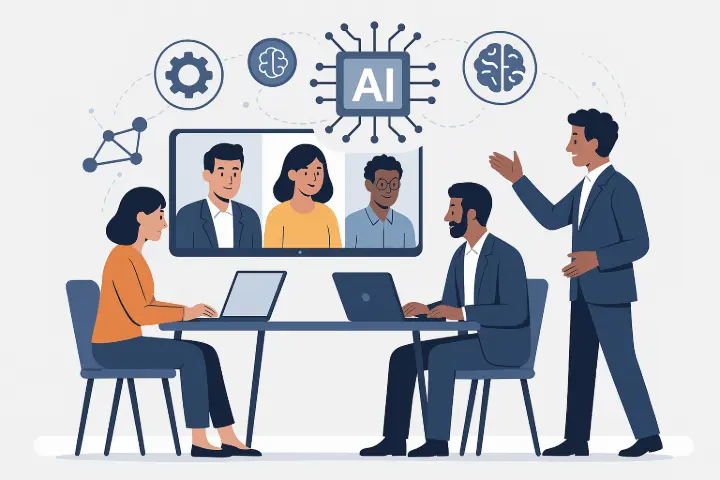
Over the past few years remote work has moved from a novelty to a cornerstone of modern business. Founders and operations leaders embrace distributed teams because they reduce overhead, provide access to a broader talent pool and offer employees greater flexibility. At the same time, the rise of artificial intelligence (AI) and workflow automation has opened up possibilities that were once out of reach for small organizations. These innovations are no longer confined to large enterprises; today even the leanest startup can tap into AI‑powered scheduling assistants, smart analytics tools and automated customer service bots. When combined with remote work, these technologies help businesses do more with less and deliver consistent results across time zones.
Understanding AI and Automation
Artificial intelligence refers to systems that perform tasks typically requiring human intelligence, such as recognizing patterns, making decisions and learning from data. Automation encompasses the use of technology to perform repetitive tasks with minimal human intervention. While related, the two are not synonymous: AI often powers the decision‑making component of automated processes, allowing software to adapt based on context rather than follow rigid instructions. In the remote‑work context, AI might take the form of natural‑language processing that transcribes meeting notes or chatbots that answer routine questions. Automation can manifest as software that moves information from one application to another, schedules meetings based on participants’ availability or routes support tickets to the appropriate specialist.
Why AI Matters for Remote Teams
Distributed teams face unique challenges. Without hallway conversations and in‑person check‑ins, it can be harder to coordinate schedules, track progress and ensure tasks don’t fall through the cracks. AI and automation address these pain points by acting as connective tissue between people and workflows. For example, an AI‑driven calendar assistant can analyze everyone’s time zones and availability and propose meeting times that minimize disruptions. Project management platforms now include predictive analytics that flag when deadlines are at risk based on historical data. Even email clients have become smarter, suggesting responses and sorting messages according to priority. By offloading these administrative tasks, remote workers free up mental space to focus on strategy, creativity and client relationships.
Benefits for Small and Medium Businesses
For resource‑constrained small businesses, the return on investment from AI and automation can be significant. Key benefits include:
- Higher productivity. Automation reduces time spent on repetitive tasks such as data entry, appointment scheduling and routine reporting. Employees can dedicate their energy to high‑value activities that move the business forward.
- Improved communication. AI‑powered translation and transcription services help bridge language barriers and create accurate records of meetings, making collaboration smoother across regions. Intelligent chatbots can handle common internal inquiries, reducing delays.
- Enhanced customer experience. Automated response systems provide instant answers to frequently asked questions, while AI‑driven analytics help personalize service by anticipating needs and recommending solutions.
- Cost savings. By streamlining operations, businesses can operate with leaner teams while still delivering consistent results. Automation platforms scale easily, allowing organizations to add or remove processes without significant infrastructure investments.
Key Tools and Technologies
Remote teams can leverage a variety of AI and automation tools, each designed to address specific bottlenecks:
- Virtual assistants and chatbots. These AI agents handle routine communications, schedule meetings and provide quick answers to common queries. They integrate with calendars, email and messaging platforms to eliminate back‑and‑forth coordination.
- Workflow automation platforms. Tools like Zapier or Make connect disparate applications, automatically moving data from one system to another based on triggers such as a new form submission or completed task. This reduces manual copying and pasting and ensures information is always up to date.
- Intelligent project management. Modern project boards incorporate machine learning to predict task durations, forecast workloads and recommend resource allocations. They send reminders and highlight tasks at risk of delay, helping teams stay ahead of deadlines.
- AI‑powered analytics. Dashboards that use natural‑language queries and predictive algorithms allow managers to derive insights without relying on data analysts. These tools uncover trends, spot anomalies and support informed decision‑making.
Challenges and Considerations
While AI and automation present exciting opportunities, thoughtful implementation is essential. Privacy and data security are paramount; businesses must ensure that any tool handling sensitive information complies with relevant regulations and employs strong encryption. There is also a learning curve associated with new technology. Employees may worry about being replaced or may struggle to adapt to unfamiliar interfaces. Leaders can mitigate these concerns through open communication, training and by emphasizing that these tools are intended to augment human work, not replace it. Finally, automation can sometimes propagate errors if processes are not designed carefully. Regular audits and human oversight help catch anomalies and maintain quality.
Best Practices for Adoption
To make the most of AI and automation, small businesses should:
- Start with clear goals. Identify the pain points you want to solve—such as reducing administrative overhead, improving response times or gaining deeper insights—and select tools tailored to those needs.
- Involve your team. Engage employees early in the selection and onboarding process. Solicit feedback on which tasks drain their time and encourage them to explore automation options.
- Integrate gradually. Begin with small, low‑risk processes and expand as confidence grows. This approach minimizes disruption and allows for course corrections.
- Prioritize training and support. Provide training resources so team members feel comfortable with new systems. Offer ongoing support to resolve issues quickly and gather feedback for continuous improvement.
- Review and refine. Regularly assess the effectiveness of AI and automation solutions. Monitor metrics such as time saved, error rates and employee satisfaction, and adjust workflows accordingly.
Looking Ahead
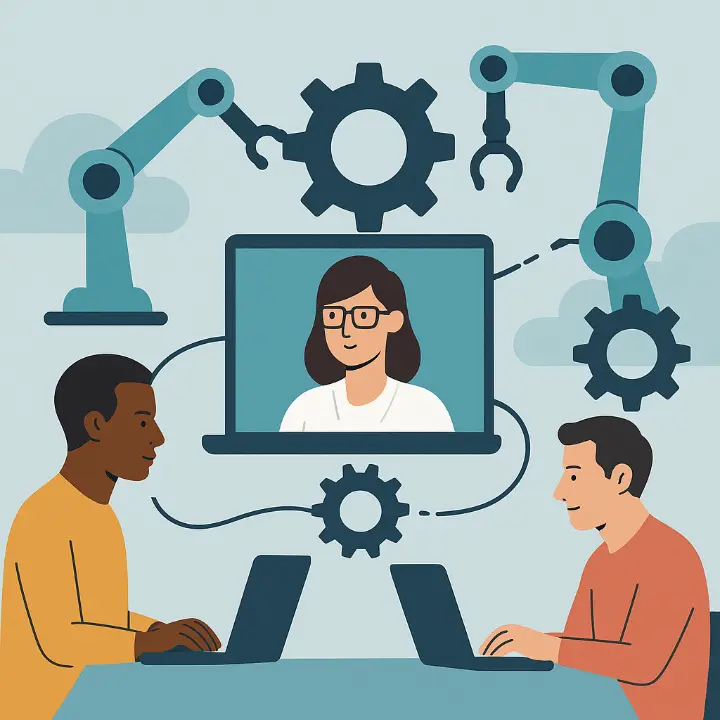
The capabilities of AI will continue to expand, opening new possibilities for remote teams. Natural‑language interfaces are becoming more conversational, predictive analytics more accurate and automation workflows more intuitive to set up. As these tools evolve, they will support deeper collaboration and help businesses innovate faster. However, technology alone cannot guarantee success. Culture, communication and trust remain essential ingredients in any remote team’s performance. When AI and automation are implemented thoughtfully—enhancing rather than replacing human judgment—small businesses can achieve a new level of agility and resilience.
Artificial intelligence and automation have moved from buzzwords to practical tools that empower remote teams. By automating routine tasks and surfacing actionable insights, they free employees to concentrate on meaningful work and build stronger relationships with clients and colleagues. The transition requires careful planning, clear communication and a willingness to learn, but the payoff is a more efficient, responsive organization.
At Allsikes we specialize in matching U.S. businesses with talented virtual assistants trained to leverage modern tools responsibly. Whether you’re just beginning to explore AI‑powered scheduling and data entry or ready to build automated workflows across your organization, our team can help you navigate the options and implement solutions tailored to your goals. Contact us to learn how a hybrid approach of human expertise and intelligent automation can elevate your remote operations.