
In just a few years, remote work has gone from an occasional perk to a defining feature of modern small businesses. Advances in digital tools and the shifting expectations of the workforce make it possible to build high‑performing teams without sharing an office. Alongside these benefits comes a new reality: skills can quickly become outdated. As technology evolves and industries transform, leaders must ensure their remote teams adapt and grow. Upskilling—teaching employees new competencies and expanding existing ones—is no longer optional. It is the key to unlocking agility, fostering innovation and maintaining a competitive edge.
Why Upskilling Matters for Remote Teams
Running a business with remote employees requires more than the usual onboarding and periodic training. Distributed teams must navigate digital workflows, collaborate across time zones and maintain productivity without the daily structure of a shared office. These challenges intensify the need for ongoing learning. When employers prioritise upskilling, they signal commitment to their people and their future. Equipped with current skills, team members can take on more complex tasks, adapt to shifting priorities and contribute fresh perspectives. Upskilling also boosts morale and retention, as employees see a clear path for professional growth.
Key Skills for a Future‑Ready Remote Workforce
Building a resilient and future‑ready team means cultivating a blend of technical, interpersonal and self‑management skills:
- Adaptability and resilience. Change is constant in a digital‑first world. Remote workers who adapt easily to new technologies and workflows—and bounce back from setbacks—are invaluable.
- Digital literacy and technical proficiency. Beyond familiarity with video conferencing and project management tools, team members should understand cloud platforms, automation software and data analytics. Developing technical fluency helps them navigate complex systems and contributes to more efficient processes.
- Effective communication. Clear written and verbal communication is essential when face‑to‑face meetings are rare. Skills such as active listening, concise messaging and empathy foster trust and prevent misunderstandings across time zones.
- Time and task management. Remote professionals need discipline and organization. Mastering techniques like priority matrices, calendar blocking and asynchronous collaboration ensures they meet deadlines without burnout.
- Cross‑cultural competence. Distributed teams often span countries and cultures. Understanding cultural norms and practicing inclusive behaviours support smoother collaboration and stronger relationships.

Strategies for Upskilling Remote Teams
To build these competencies, leaders must create an environment where learning is accessible and valued:
- Assess current skill levels. Begin by identifying gaps through surveys, performance reviews and conversations. Understanding strengths and weaknesses guides the development of relevant training programs.
- Leverage flexible learning resources. Online courses, webinars and micro‑learning modules allow employees to learn at their own pace. Encourage participation in industry certifications and provide stipends or subscriptions to reputable learning platforms.
- Integrate learning into daily work. Pair less experienced team members with mentors for project‑based learning. Host knowledge‑sharing sessions where colleagues present new tools or best practices, turning everyday tasks into teaching moments.
- Encourage peer learning communities. Create channels for employees to exchange tips, discuss challenges and celebrate achievements. Peer networks foster camaraderie and collective growth.
- Recognise and reward progress. Publicly celebrate certifications, course completions and skill milestones. Recognition reinforces positive behaviour and motivates others to pursue their own development.
Implementing a Learning Program
A structured learning program ensures upskilling efforts deliver results:
- Set clear objectives. Define what competencies you want to enhance and align them with business goals. For instance, a company expanding into e‑commerce might prioritise training in digital marketing and analytics.
- Select the right platforms. Choose user‑friendly learning management systems that track progress and support different formats—video lessons, quizzes and interactive assignments.
- Monitor participation and outcomes. Use analytics to see who is engaging with courses and how training impacts performance. Solicit feedback to refine content and delivery.
- Adjust based on feedback. As roles evolve, update the program to address emerging skills and retire outdated modules.
How Virtual Assistants Fit In
Virtual assistants are often the first to adopt new tools and processes, making them catalysts for change. By investing in their upskilling, businesses gain versatile support professionals who can handle specialized tasks—from managing complex software to running analytics reports. Allsikes recruits remote assistants with both foundational skills and a willingness to learn. Through ongoing training, our assistants can take on responsibilities that traditionally required in‑house staff, helping small businesses stay agile without increasing overhead.
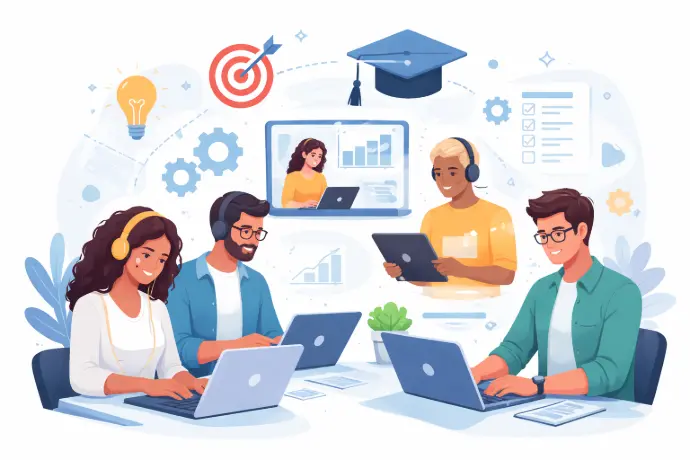
In a nutshell
Upskilling remote teams is not just a trend—it is a strategy for long‑term success. By nurturing adaptability, technical fluency and strong communication, leaders empower their people to thrive amid change. Structured programs, flexible learning resources and a supportive culture ensure that growth becomes part of the job. For small businesses seeking to scale without sacrificing quality, partnering with a remote‑talent agency like Allsikes can provide both skilled professionals and ongoing development support. Together we can build a workforce that is ready for whatever the future holds.